


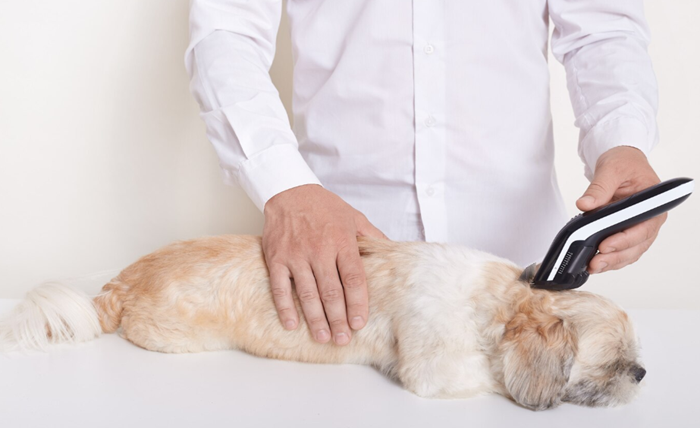
Losing a pet is heartbreaking. Microchipping offers a reliable way to reunite you with your furry friend. You implant a small chip under your pet’s skin. It holds an ID number linked to your contact info. This tiny device can be the difference between a quick reunion and endless worry. Shelters and clinics across the country use scanners to identify lost pets. Unlike a collar or tag, the chip stays with your pet. If you need guidance, an affordable veterinarian in Long Beach, CA can explain the process and benefits. They ensure the chip is correctly placed. The procedure is quick and causes minimal discomfort. Microchipping gives you peace of mind. It strengthens the safety net for your pet. As you consider options to protect your beloved companion, remember this simple step can have a lasting impact. With a small chip, you secure a safer future for your pet.
How Microchips Work
Microchips are tiny transponders about the size of a grain of rice. When a scanner passes over the chip, it transmits the unique ID number. This number is then matched with your contact details in a secure database. The chip does not have a power source or moving parts. It remains with your pet throughout its life. The simplicity of microchips makes them effective and reliable.
Microchipping vs. Traditional Identification
Collars and tags are common, but they can fall off or become unreadable. In contrast, a microchip is permanent. Here is a comparison of microchipping and traditional methods:
| Feature | Microchipping | Collars/Tags |
|---|---|---|
| Permanence | Permanent | Removable |
| Identification Reliability | High | Varies |
| Cost | One-time | Replacement costs |
| Visibility | Invisible | Visible |
Steps to Microchip Your Pet
Microchipping is a straightforward process. Here’s what to expect:
- Visit an experienced veterinarian.
- The vet inserts the microchip under your pet’s skin, typically around the shoulder area.
- Register the microchip ID number with your contact information in a national database. The American Veterinary Medical Association provides information on registration.
Benefits of Microchipping
Microchipping provides numerous benefits:
- Increased Chances of Reunion: Pets with microchips are significantly more likely to be returned if lost.
- Permanent Solution: Unlike tags, microchips do not wear out.
- Universal Scanning: Most shelters and vets have scanners that read microchips.
Common Concerns
Some worry about the safety and privacy of microchipping. However, studies show minimal health risks associated with microchips. The chip only stores an ID number, without any GPS tracking capabilities. Regular checks by your vet can ensure the chip’s proper placement.
Microchipping Laws and Regulations
Different regions have varying laws about microchipping. Some areas require pets to have a microchip, while others leave the decision to pet owners. Understanding local regulations is crucial. The USDA Animal and Plant Health Inspection Service offers resources on pet travel and identification compliance.
Final Thoughts
Microchipping serves as a dependable method for keeping pets safe. It offers a permanent form of identification that significantly increases the odds of a happy reunion. Whether you have a playful puppy or a curious cat, microchipping is a small step with a huge impact. By ensuring your pet is chipped and registered, you provide them with a layer of protection that lasts a lifetime. Consider discussing microchipping with your vet today to safeguard your pet’s future.