


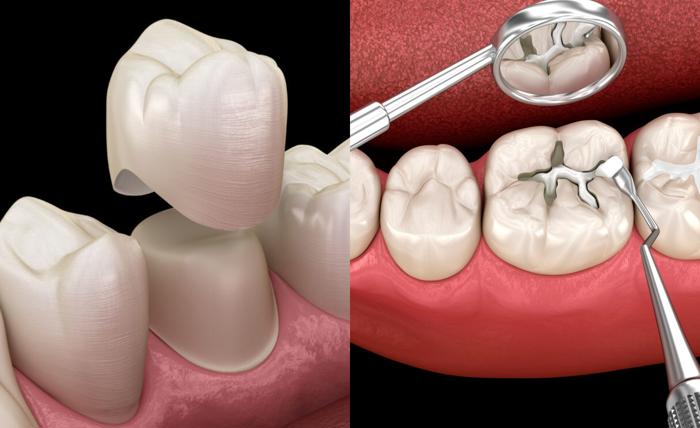
When you think about dental health, you’re likely considering cleanings and check-ups. However, restorative services like fillings and crowns play a crucial role in keeping your mouth healthy. You might feel uneasy about needing these treatments, but understanding them can calm those worries. Fillings repair small cavities and prevent further damage. Crowns, on the other hand, restore function and appearance to more damaged teeth. If you’re considering these treatments, talking to a dentist in Indianapolis will help you determine what’s best for you. By understanding these services, you take an active step in protecting your overall health. Whether it’s to fix decay or strengthen a tooth, knowing about these options empowers you. Being informed means you make better choices for your dental future. Don’t wait until discomfort forces a decision. Understand the basics, ask questions, and ensure you’re prepared for whatever your dental journey requires.
Understanding Fillings
Fillings are common and straightforward. They stop cavities from getting worse by filling the hole in a tooth. Different materials can be used like amalgam, composite, or gold. Each has its pros and cons.
- Amalgam: Durable but noticeable.
- Composite: Matches tooth color but may last less.
- Gold: Long-lasting but expensive.
Choosing the right type depends on location in the mouth and budget. Your dentist will guide you on the best fit for your needs. Ensuring regular dental visits and proper oral hygiene helps maintain fillings and avoid future issues.
Crowning Achievements
Crowns are protective caps placed over damaged teeth. They restore function and improve appearance. Crowns become necessary when a tooth is severely decayed or fractured. They are also used after root canal procedures.
Various materials are available for crowns too:
- Porcelain: Looks natural, ideal for front teeth.
- Metal: Strong, often used for back teeth.
- Porcelain-fused-to-metal: Balance of strength and aesthetics.
The choice of crown may depend on the tooth’s visibility and the pressure it endures during chewing. Discuss options with your dentist to decide the best material. Regular check-ups and proper care prolong their lifespan.
Comparison Table: Fillings vs. Crowns
| Feature | Fillings | Crowns |
|---|---|---|
| Purpose | Repair small cavities | Restore and protect damaged teeth |
| Material Options | Amalgam, Composite, Gold | Porcelain, Metal, Porcelain-fused-to-metal |
| Durability | Lasts several years | Longer lasting |
| Cost | Generally less expensive | More costly |
| Appearance | Composite blends in | Porcelain looks natural |
Other Restorative Services
Beyond fillings and crowns, other restorative options include bridges, dentures, and implants. Bridges replace missing teeth by connecting to adjacent ones. Dentures are removable sets of teeth that aid in eating and speaking. Implants are metal posts placed in the jawbone to hold replacement teeth.
Each service has unique benefits. Bridges are less invasive than implants. Dentures offer a cost-effective solution for multiple teeth loss. Implants provide a permanent solution. Choosing the right service depends on individual needs and your dentist’s advice. Routine care after these services is crucial to their success.
Conclusion
Your dental health matters greatly. Understanding restorative services like fillings and crowns equips you with knowledge to make informed choices. Consult a professional to explore the best solutions for your dental needs. Regular care and attention ensure the longevity and effectiveness of any treatment you receive. Don’t wait for a problem to worsen. Start the conversation today and maintain a confident, healthy smile.