


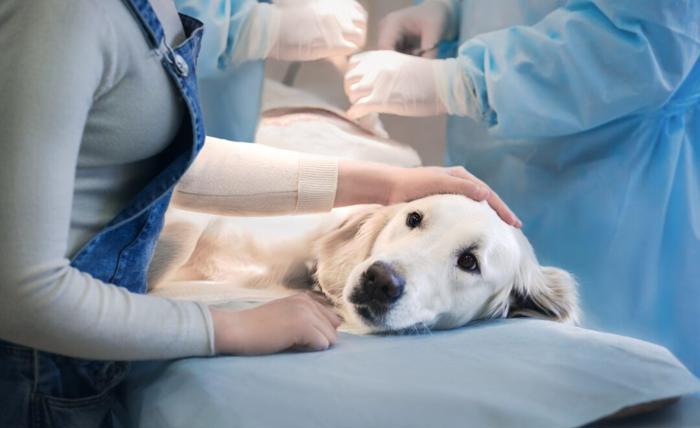
When your furry friend needs surgery, you want to understand how small animal veterinarians handle these procedures. They follow a clear process with your pet’s well-being in mind. At the heart of this approach, you find Silver Spring veterinarian teams who focus on providing effective care. These professionals work with precision and compassion. First, they assess your pet’s condition and discuss the necessary steps with you. Then, the surgical team prepares by ensuring sterilized equipment and a safe environment. During surgery, they monitor vital signs closely to keep your pet safe. After the procedure, they guide you through recovery steps. They emphasize the importance of follow-up visits to ensure healing. This methodical process reflects their dedication to your pet’s health. You and your furry companion deserve that peace of mind during these crucial times.
The Pre-Surgery Process
Before any procedure, veterinarians gather all necessary information about your pet’s health. They perform exams and run tests to confirm they’re fit for surgery. Blood tests and imaging may be needed to assess risks. This pre-surgery phase ensures that the team understands any underlying issues. You will also receive information about how to prepare your pet for the day, such as withholding food.
Surgical Preparation
On the surgery day, your pet enters a clean and calm environment. The surgical team uses sterilized tools and wears protective gear. They prepare your pet by shaving and cleaning the surgical area. These steps reduce infection risks. Anesthesia is administered with care, ensuring your pet remains pain-free and unaware during the procedure.
The Surgical Procedure
During surgery, veterinarians use precise techniques to address the medical issue. They work methodically, preserving your pet’s health and safety. The team constantly monitors vital signs, such as heart rate and oxygen levels. This vigilance ensures quick response if any complication arises.
Post-Surgery Care
After surgery, your pet is moved to a recovery area where they wake up safely from anesthesia. The team checks their vital signs and comfort level. You receive instructions on how to care for your pet at home. These include managing pain, ensuring clean bandages, and monitoring for any unusual behavior.
Importance of Follow-Up
Follow-up visits are crucial for tracking recovery. They allow the vet to check healing progress and address any concerns. Your diligence in attending these appointments helps ensure your pet returns to their normal activities quickly and safely.
Comparison of Anesthesia Monitoring Techniques
| Technique | Purpose | Example |
| Pulse Oximetry | Monitors oxygen saturation | Light probe on paw or ear |
| ECG | Tracks heart activity | Electrodes on chest |
| Capnography | Measures carbon dioxide levels | Tubing in airway |
Resources for Pet Owners
For more on veterinary care, visit the American Veterinary Medical Association website. They offer valuable insights for pet health maintenance.
Conclusion
Understanding how small animal veterinarians handle surgeries can ease your concerns. With expertise and compassion, they support your pet through each step. From assessment to recovery, they ensure your furry friend’s health and safety. Trust in their process fosters peace of mind, allowing you to focus on your pet’s healing journey.