


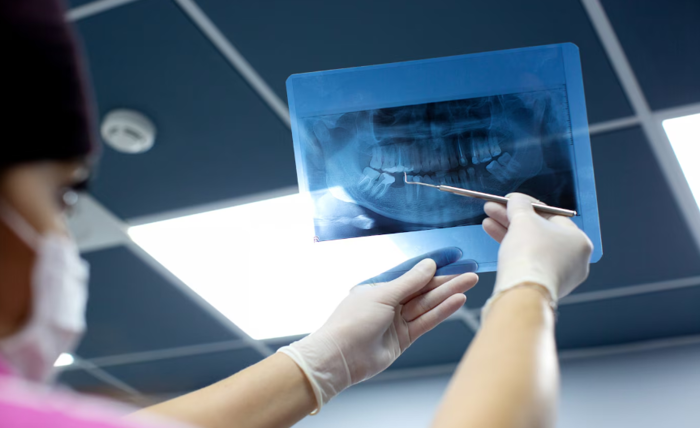
You care about your dental health, but some problems hide beneath the surface. Dental X-rays uncover these hidden issues, offering peace of mind and essential insight. Your Northbrook IL dentist knows that unseen problems can grow worse over time without proper detection. X-rays help identify issues early, ensuring timely action and avoiding bigger challenges. They reveal tooth decay, bone loss, and even impacted teeth that might remain unnoticed during a routine check-up. Recognizing these issues early can save potential discomfort and health expenses later. When you understand the importance of dental X-rays, you empower yourself to make informed choices. This proactive approach is key to maintaining a healthy mouth. These X-rays are safe and quick, minimizing any fears about the process. Trust in expert care that prioritizes your comfort and well-being. You deserve a healthy, confident smile, and dental X-rays support you in achieving it.
How X-Rays Work
X-rays use a small amount of radiation to capture images of your teeth and gums. They help dentists see problems that the naked eye cannot spot. This technology is pivotal in diagnosing cavities, dental injuries, and even tumors. Modern dental X-rays are designed to minimize exposure, making them a safe choice for routine use. Understanding how they work aids in appreciating their value for your dental health.
Types of Dental X-Rays
There are different types of dental X-rays, each serving a specific purpose:
- Bite-wing X-rays: Focus on the crowns of your teeth. These are great for spotting early signs of decay between teeth.
- Periapical X-rays: Show the entire tooth, from crown to the root. They are crucial for detecting abscesses or bone loss.
- Panoramic X-rays: Capture the whole mouth in one image. They are used to check for jaw issues or deep-seated tooth problems.
The Benefits of Dental X-Rays
Dental X-rays provide several benefits:
- Early Detection: Discovering problems before they become severe saves time, money, and discomfort.
- Comprehensive Insight: Provides a complete picture of your oral health, including areas not visible during a regular exam.
- Guided Treatment: Helps plan procedures like implants, braces, or extractions accurately.
Comparison of X-Ray Types
| Type | Main Use | Advantages |
| Bite-wing | Detects early decay | Focus on inter-dental spaces |
| Periapical | Examines root integrity | Shows full tooth structure |
| Panoramic | Assesses overall jaw health | Comprehensive mouth view |
Safety of Dental X-Rays
Dental X-rays are safe. The radiation levels are low, and protective measures further reduce exposure. Lead aprons and thyroid collars shield your body, ensuring peace of mind. According to the U.S. Food and Drug Administration, the benefits far outweigh any potential risks, making them a vital tool in preventive dental care.
Importance of Regular X-Rays
Routine X-rays should not be overlooked. They are a proactive way to maintain oral health. By scheduling regular X-rays, you stay informed about changes in your dental health and catch potential issues early. This knowledge allows for timely interventions, keeping your smile healthy and strong.
Conclusion
Understanding the role of dental X-rays is crucial. They offer hidden insights and help secure your dental health. From detecting cavities to planning complex treatments, X-rays are indispensable. Trust in their ability to safeguard your well-being. Commitment to regular X-rays ensures you are not caught off guard by hidden problems, and you maintain control over your oral health journey. For more information about the benefits of dental X-rays, visit the Centers for Disease Control and Prevention.